


Orlando's Last Coin Parking Meters Are Gone: New App-Only Rates and Fines Start Today
As of October 1, all on-street and garage parking downtown runs through ParkMobile only, with higher rates, later enforcement hours and bigger fines, though the city is issuing warnings instead of tickets for the first three weeks.
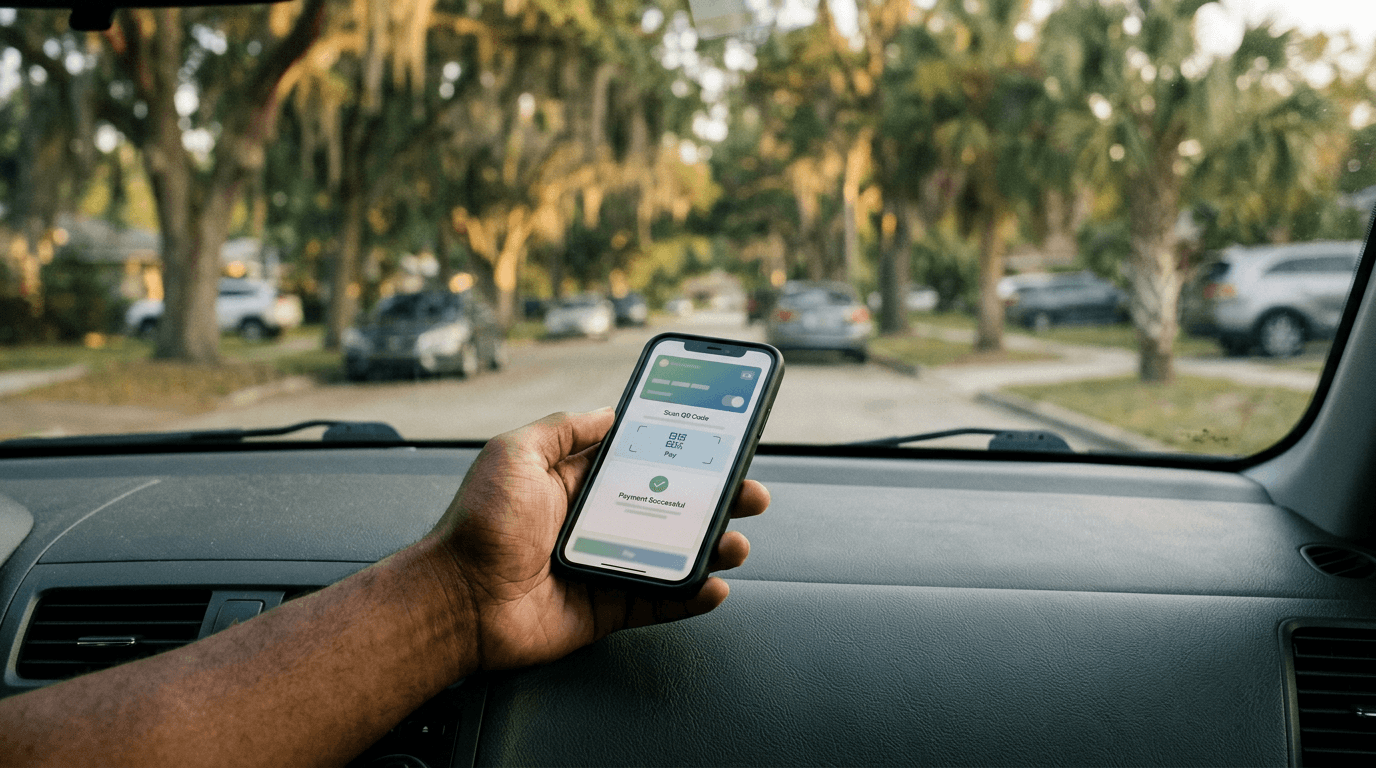
The coin slot downtown just went extinct. As of today, October 1, the City of Orlando has pulled out roughly 1,000 coin-operated parking meters, and every on-street space and city garage now runs on the digital ParkMobile system, a phone call, or a text link. Drivers who want to park downtown have to pay with a phone, not pocket change.
The switch brings higher rates, later enforcement and steeper fines all at once, a combination that touches nearly anyone who drives into downtown Orlando for work, dinner, a Lake Eola walk or a Dr. Phillips Center show.
What changes today
On-street parking now costs $2 for each of the first two hours, climbing to $3, then $4, and up to $6 by the sixth hour. That's roughly double what drivers paid before, when every hour cost a flat $1 and rates hadn't moved since 2009.
Paid parking hours now run 8 a.m. to 8 p.m., Monday through Saturday. Previously, street parking was free after 6 p.m. Sundays and city holidays stay free.
Garages and surface lots charge $2 an hour for the first four hours, then $3 an hour after that, with a $20 daily cap. ParkMobile sessions carry a 35-cent service fee on top of the parking charge.
- About 1,000 coin meters removed citywide by Oct. 1
- Street rates: $2/hour for first two hours, rising to $6 by hour six
- Paid hours now 8 a.m.-8 p.m., Monday-Saturday (previously free after 6 p.m.)
- Garages/lots: $2/hour for first four hours, then $3/hour, capped at $20/day
- Meter violation fine rises from $20 to $25; late-payment window extends from 14 to 21 days
Grace period for the confused
The city says it won't be writing tickets right away for people who get the new system wrong. For the first three weeks of October, drivers who make an honest mistake will get a warning instead of a citation. After that, enforcement resumes in full, with the meter-violation fine rising from $20 to $25 and the window to pay a late citation stretching from 14 days to 21.
Officials are telling drivers to read the posted signage at each block, since rates and time limits can vary by location during the rollout.
Note: The city says its new signage will not use QR codes. Orlando police warned last year that scammers had placed roughly 200 fake QR stickers on downtown meters to redirect drivers to copycat payment sites, a scheme known as "quishing." Pay through the official ParkMobile app, a verified phone number, or text link instead of scanning a sticker on a sign or pole.
Why the city is doing this
Orlando's parking system pays for itself through parking revenue, not property taxes, and officials say it needs more money to cover rising costs. A city study comparing Orlando to peer cities found its rates and fines were well below market. The city projects the new rates will bring in about $5.5 million a year, while going fully digital is expected to cut operating costs by roughly $500,000 annually by eliminating meter maintenance, biweekly coin collection and cash handling.
Coin meters first appeared in downtown Orlando in 1939, and residents hated them from day one: the nickel-per-hour slots were reportedly stuffed with chewing gum in protest, and that first batch of meters didn't survive a year. Meters came back in the 1950s and stayed in place for roughly seven decades, until now.
Who this hits hardest
ParkMobile has been available in Orlando since 2015 as an option alongside coins, so plenty of regular downtown drivers are already used to paying by app. The harder adjustment falls on older residents who prefer cash or don't carry a smartphone, and on anyone who relied on free parking after 6 p.m. to grab dinner or catch an evening show without paying. Visitors without reliable cell service may also find themselves stuck if a payment link won't load at the curb.
The city has not said whether it plans to add more pay-by-phone kiosks or other cash-free alternatives for drivers who don't want to use the app. For now, the warning period runs through the end of October, giving drivers roughly three weeks to adjust before full fines and the longer payment deadline kick in.
Want more on how Orlando is changing? Visit Orlando Community Website for ongoing coverage, and join the conversation in our Community Forum to share how the new parking system is working for you. For related coverage, check out more government and policy stories and local business news affecting downtown Orlando.
Continue this story for free.
Stay informed about Orlando. Enter your email to access the full story and receive local news and community updates.
Free to read · No password to remember
New here? We’ll email you a sign-in link and code. Already a reader? Use your usual email.
Read next
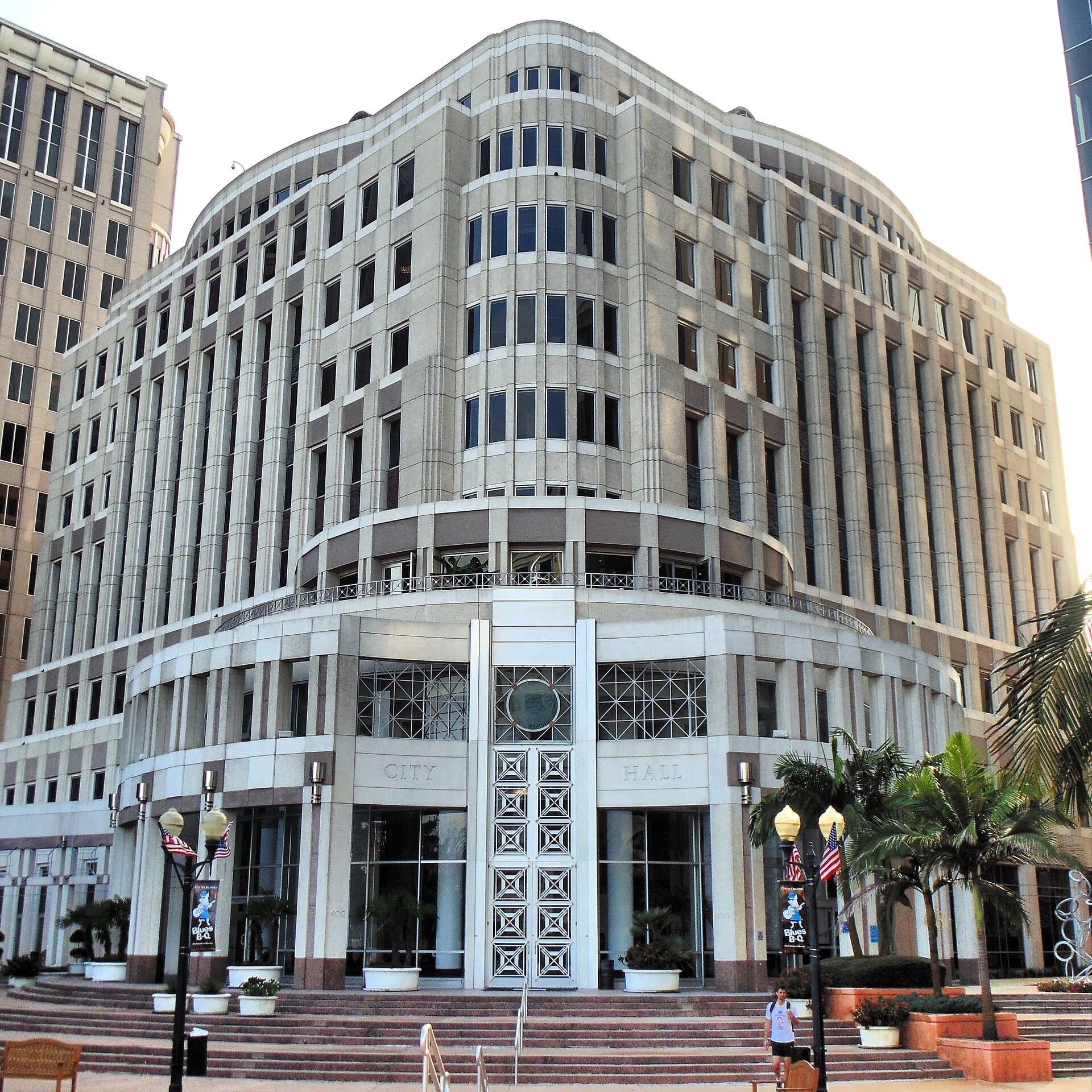
Orlando Adopts $1.88 Billion Budget, Holds Property Tax Rate Steady for 13th Year
The City Council approved next year's budget with more money for police, 44 new first responders and a new savings fund built to cushion a possible tax revenue hit from a statewide ballot measure.
Read the story ↗
Comments
What does this mean for your neighborhood? Share your experience or ask a question.
Your draft stays here while you sign in. Be respectful and keep it local.
No comments yet. Be the first to share your thoughts!