

Orlando Adopts $1.88 Billion Budget, Holds Property Tax Rate Steady for 13th Year
The City Council approved next year's budget with more money for police, 44 new first responders and a new savings fund built to cushion a possible tax revenue hit from a statewide ballot measure.
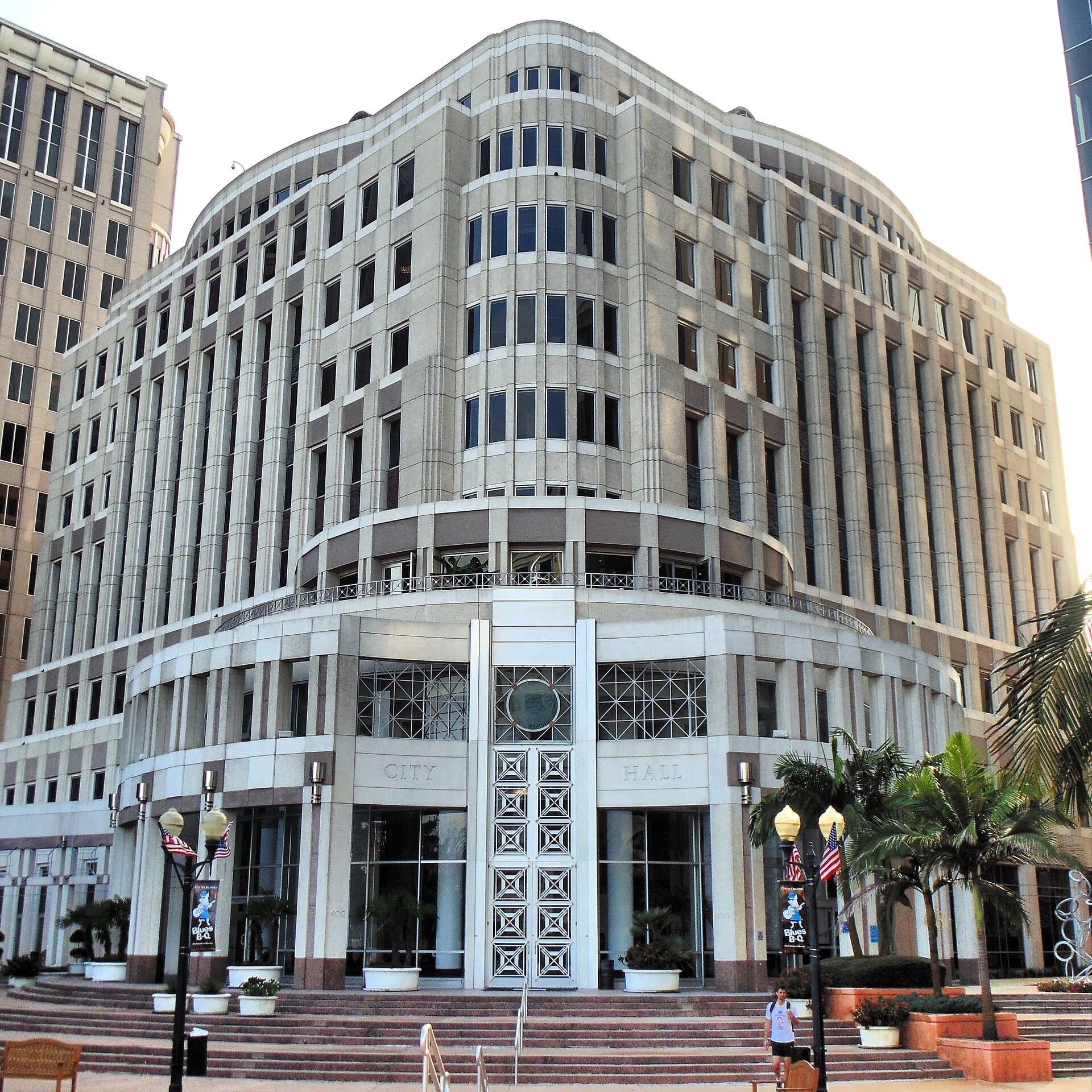
The Orlando City Council adopted a $1.88 billion budget for the fiscal year that starts October 1, closing out a monthslong process without raising the property tax rate for the 13th straight year. The vote came at the second and final public hearing on September 28, and it locks in how the city spends about $81 million more than it did this year, most of it flowing toward police staffing, infrastructure and neighborhood services that residents use every day.
The city's tax rate stays at 6.65 mills, meaning a homeowner's city tax bill moves mainly with their property's assessed value, not with any new rate the council imposed. City officials have pointed to that 13-year streak as evidence they're managing growth without reaching deeper into residents' pockets, even as home values and city costs both keep climbing.
Where the money goes
Nearly $270 million of the general fund is earmarked for the Orlando Police Department, the single largest slice of city spending outside of enterprise funds like water and stormwater. That includes money to hire 44 new first responders and to buy new technology, including drones, that police leaders say will help them respond faster and cover more ground with the same number of officers on patrol.
District 5 Commissioner Shan Rose highlighted the new hires as a direct answer to residents who have asked for faster response times and more visible patrols in growing neighborhoods. The rest of the budget covers the usual mix that keeps a city running: parks maintenance, road and stormwater projects, fire rescue, code enforcement and the administrative functions that support all of it.
A tax fight on the November ballot could change next year's math
The budget wasn't adopted in isolation. City leaders built it while watching a statewide constitutional amendment on this November's ballot that would raise Florida's homestead exemption, to $150,000 in 2027 and $250,000 in 2028, if at least 60% of voters approve it statewide.
Orlando's own estimates show what that would mean for the city's books: a loss of up to $35 million in the 2028 fiscal year, growing to roughly $50 million a year by 2030. District 2 Commissioner Tony Ortiz said during budget discussions that he hopes voters reject the measure, but acknowledged the city has to plan as though it might pass.
What the city is doing about it: Orlando has frozen hiring for new positions outside public safety and is steering year-end savings into a new Budget Stabilization Fund meant to absorb a sudden drop in tax revenue if the amendment passes.
Mayor Buddy Dyer has said the city expects roughly $20 million in year-end savings this cycle that could go into that stabilization fund, on top of whatever else the council sets aside in future years. The idea is to build a cushion now rather than face sudden cuts to services in two or three years if the exemption expands and the tax base shrinks.
What residents will notice
For most homeowners, the immediate, practical effect of this budget is simple: the city's piece of the tax bill isn't going up because of a rate hike. Any increase residents see reflects rising property values, which are set separately by the Orange County Property Appraiser, not a decision the council made this month.
The more visible change will likely show up on the streets, with more officers, faster technology-assisted response and continued spending on the parks and infrastructure projects the city has been chipping away at for the past few budget cycles. The budget officially takes effect October 1.
What isn't yet known is how November's vote on the property tax amendment will reshape the conversation heading into next year's budget cycle. If it passes, the stabilization fund and hiring freeze the city has already put in place will be the first line of defense, and the council will likely revisit spending priorities well before next fall's hearings.
Want more on how City Hall spends your tax dollars? Visit Orlando Community Website for ongoing coverage, or join the conversation in our Community Forum. For related coverage, check out our government and politics and business sections.
Header photo: Miosotis jade / Wikimedia Commons (CC BY-SA 3.0)
Continue this story for free.
Stay informed about Orlando. Enter your email to access the full story and receive local news and community updates.
Free to read · No password to remember
New here? We’ll email you a sign-in link and code. Already a reader? Use your usual email.
Read next

Orlando's Main Street Districts Put Neighborhood Businesses on the Map
The city's Main Streets program offers a practical way to discover neighborhood shopping, dining and community events.
Read the story ↗
Comments
What does this mean for your neighborhood? Share your experience or ask a question.
Your draft stays here while you sign in. Be respectful and keep it local.
No comments yet. Be the first to share your thoughts!